The Two Kinds of Tired
The older I get, the more I think there are two kinds of tiredness.
The first comes from doing too much.
This is the tiredness most of us recognize. It comes from long workdays, busy schedules, physical labor, caregiving, appointments, errands, and endless to-do lists. At the end of the day, your body aches, your feet hurt, and you know exactly why you’re tired.
The second kind is harder to identify.
It comes from being exposed to too much.
Too much information.
Too much noise.
Too many notifications.
Too many decisions.
Too many opinions.
Too many advertisements.
Too many people wanting a piece of your attention.
This kind of tiredness can be confusing because it doesn’t always look like exhaustion. Sometimes it looks like irritability. Sometimes it looks like procrastination. Sometimes it looks like a desire to stay home and avoid the world for a while.
You may sleep all night and still wake up feeling depleted.
Not because you worked too hard.
Because your mind never got a chance to rest.
Years ago, silence happened naturally.
If the phone didn’t ring, nobody was trying to reach you.
If there was no mail in the mailbox, there was nothing to read.
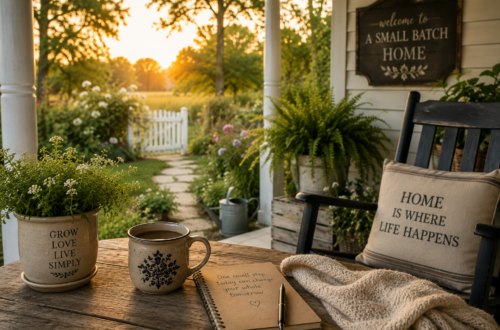
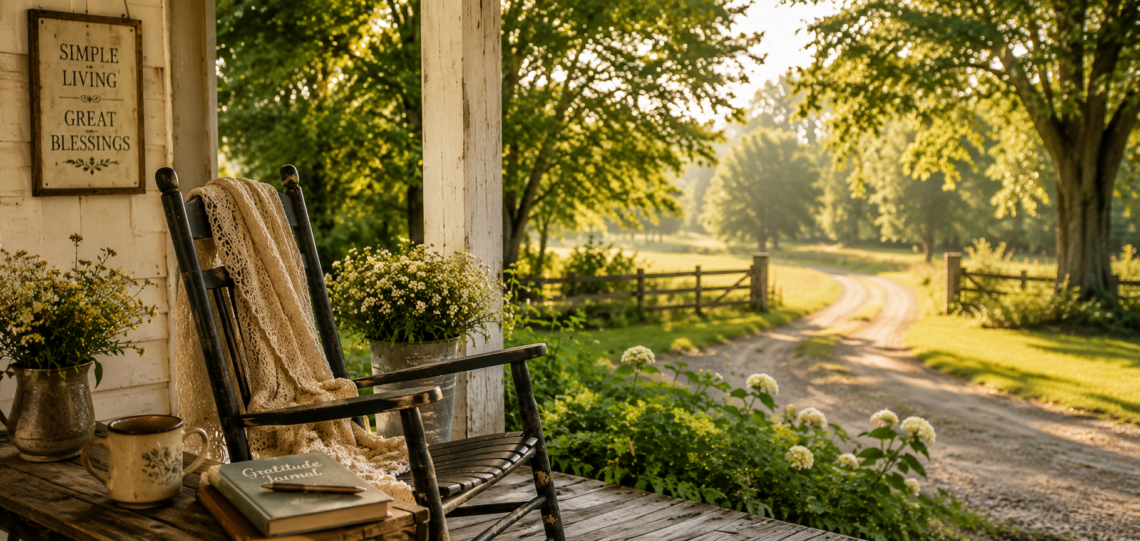
If you were sitting on the porch, you were simply sitting on the porch.
Today, every device competes for our attention. Notifications appear. Advertisements interrupt. Phones ring with spam calls. Messages arrive at all hours. Even entertainment platforms constantly suggest what we should watch next.
The expectation of availability has become relentless.
We are connected all the time, but rarely left alone.
Perhaps that is why so many of us find ourselves longing for simpler things.
A quiet road beneath shade trees.
A porch swing and a glass of tea.
A handwritten letter that actually means something.
A phone that rings only when someone truly needs us.
We often assume that if we’re tired, we need a vacation, a hobby, or a change of scenery.
Sometimes what we really need is less.
Less noise.
Less input.
Less interruption.
Less demand for our attention.
Sometimes the deepest form of rest isn’t found in doing something enjoyable.
It’s found in finally having nothing asking for anything from us for a little while.